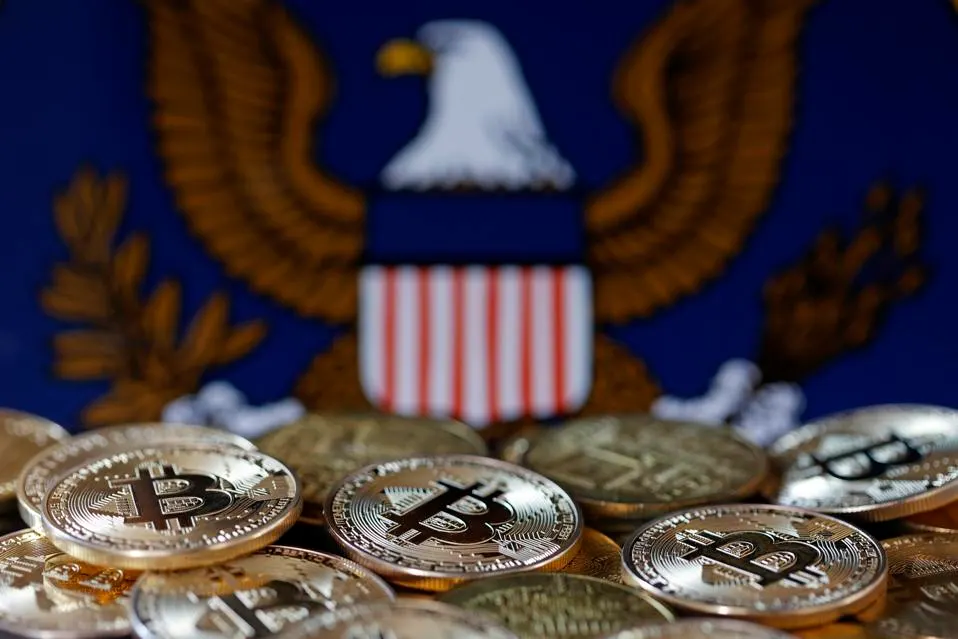
Big crypto spent millions reshaping the political landscape in the 2024 election, influencing regulation.
How Cryptocurrency Giants Reshaped the 2024 Political Landscape
In the 2024 election, the cryptocurrency industry flexed its financial muscles, spending millions of dollars to reshape the political landscape in the United States. Cryptocurrencies like Bitcoin and XRP have become powerful players in global finance, and their influence was particularly felt in the races for key Senate and congressional seats. As crypto giants pushed for regulatory clarity and legitimacy, they had a significant impact on American politics, showing just how much money and influence they can wield.
The Crypto Surge in U.S. Politics
The cryptocurrency market, including digital assets like Bitcoin, Ethereum, and Ripple’s XRP, has long been a subject of debate in the U.S. Some view it as a revolutionary technology, while others consider it risky or even a scam. Despite the mixed opinions, one thing became clear during the 2024 election cycle: crypto companies weren’t just participating—they were making their presence felt.
At least 17 million Americans own cryptocurrency, and with an important piece of legislation on the horizon, it’s no surprise that crypto businesses contributed significantly to political campaigns in the months leading up to the election.
Cryptocurrency companies were among the top donors to political action committees (PACs) in 2024, and their financial backing played a critical role in helping elect candidates aligned with their interests. The financial push was especially noticeable in Senate races, where large sums of money were directed toward pro-crypto candidates, affecting outcomes across the country.
Crypto Companies Take on the Senate
In Ohio, a particularly tight race for the Senate seat saw Republican candidate Bernie Moreno receiving a staggering $40 million in positive ads from a super PAC—money that came directly from crypto companies. These ads didn’t mention cryptocurrency at all, yet they helped Moreno secure a victory against Democrat Sherrod Brown, the Chairman of the Senate Banking Committee and a vocal critic of the crypto industry.
Ripple CEO Brad Garlinghouse, one of the leaders in the crypto space, believes that such financial backing made a massive difference. In fact, Garlinghouse is confident that the crypto industry’s support tipped the scale in key races, including those of Senators Elissa Slotkin and Ruben Gallego. He acknowledges that the money spent by crypto firms in these elections directly contributed to the success of candidates who support their agenda.
“Absolutely, I think it had an impact,” Garlinghouse said in an interview. “We educated voters and worked with candidates who were aligned with our goals.”
A Shift in Political Favor
The financial might of the crypto industry didn’t just impact Senate races; it also created a shift in the broader political environment. Notably, even figures like former President Donald Trump—initially skeptical of cryptocurrencies—became increasingly aligned with the industry.
In the final weeks leading up to the election, Trump announced the launch of a new digital coin in which he had a financial stake. This move signified a complete turnaround from his earlier remarks, where he dismissed Bitcoin as a “scam.” With his embrace of crypto came a new round of support from the industry, which helped boost his standing within the political and financial spheres.
Moreover, Trump’s appointments, including his choice for Treasury Secretary Scott Bessent, have been favorable toward the crypto industry, highlighting the new political reality shaped by these digital assets.
The SEC’s Role in Crypto Regulation
One of the key factors driving crypto companies’ involvement in politics is the regulatory environment. The Securities and Exchange Commission (SEC), under Chair Gary Gensler, had taken a strong stance against cryptocurrencies, filing more than 120 lawsuits against companies in the sector. This aggressive enforcement action, combined with Gensler’s efforts to label certain cryptocurrencies as securities, led to frustration within the industry.
As a result, some companies, including Ripple, organized and funded PACs like Fairshake, with the intention of lobbying for more favorable regulation. Garlinghouse and others argue that the SEC’s approach has been overly aggressive, stifling innovation in an emerging industry.
“We’ve been asking for clear rules of the road, not deregulation,” Garlinghouse explained. He believes that the existing regulatory framework, particularly the SEC’s oversight, is ill-suited for digital currencies and that new rules are necessary to allow the industry to thrive.
Pro-Crypto PACs: Investing in the Future of Regulation
Ripple, along with two other crypto companies, contributed a whopping $144 million to super PACs supporting both Republican and Democratic candidates in the 2024 election. This money, though often spent without directly referencing crypto, played a crucial role in bolstering pro-crypto candidates.
Since the election, Bitcoin prices have surged to record highs, and many in the crypto space are optimistic about what lies ahead. The influence of these super PACs and their backing of candidates who are sympathetic to the crypto cause has created an environment where crypto businesses are increasingly seen as a force to be reckoned with in Washington.
Garlinghouse sees the crypto industry’s political spending as a necessary investment in securing the regulatory environment they desire. And with the introduction of bills like FIT21, which seeks to establish a clearer regulatory framework for digital assets, it seems their efforts are starting to pay off.
The Road Ahead: Balancing Regulation and Innovation
While the crypto industry has made significant strides in influencing political outcomes, challenges remain. Some skeptics, including former SEC official John Reed Stark, argue that crypto poses serious risks to society, citing issues like fraud, money laundering, and crime. Stark’s concerns underscore the lack of oversight in the crypto space, which can lead to systemic risks and externalities that impact society at large.
However, Garlinghouse and other industry leaders are adamant that with proper regulation, cryptocurrencies can be an asset to society. They argue that the U.S. should embrace crypto innovation rather than push it offshore, where protections for investors are weaker.
As the industry prepares for the next regulatory battle, the results of the 2024 elections show just how much influence the crypto industry now wields. With millions of dollars spent to secure the future of digital assets in the U.S., the crypto industry is positioning itself for greater legitimacy and regulation that aligns with its vision for the future.
The Future of Crypto in Politics
The 2024 election marked a watershed moment in the relationship between cryptocurrency and politics. With millions of dollars flowing into campaigns, pro-crypto PACs influencing key Senate races, and a growing number of lawmakers embracing digital currencies, the industry’s voice has never been louder.
As the legislative landscape continues to evolve, one thing is clear: cryptocurrency is here to stay. Whether or not it can successfully navigate the political hurdles ahead will depend on its ability to align itself with lawmakers who see its potential and embrace new regulatory frameworks that allow the industry to flourish.
Ultimately, the cryptocurrency industry is betting on the future, and they’re willing to invest the money and resources necessary to shape that future.
Disclaimer: The above press release has been provided by a third party. We do not verify or endorse the content and will not be responsible for any inaccuracies, claims, or damages arising from the same.